
- Ξένιου Διος 2 Βαρκιζα
Βουλιαγμένη, TΚ 16672
- ΔΕΥ- ΚΥΡ
24/7
- +30 213.090.502
Top Greece Tours: Your Trip Starts Here
Greece tours open the door to ancient temples, whitewashed island villages and beautiful blue bays. Couples, families, friends, solo travelers and first-time visitors all find a day that suits them. Choices range from relaxing city walks to calm sea trips.
This guide from My Greece Tours explores the key regions. Each part describes the main sights and the different kinds of trips available. It also covers the extras that come with them, like licensed guides, meals and swim stops.
Which Greece Tours In Athens Do Travelers Remember?
Travelers remember the Acropolis walk, a sunset trip to Cape Sounion and a boat day with swim stops. Each one combines famous sights with genuine comfort. Many visitors compare Greece tours and Tours In Greece before they choose a day.
Which sights make Athens special?
The Acropolis crowns the city, with the Parthenon and the Erechtheion on top. Below it, the Acropolis Museum shows many original carvings from the hill. The Ancient Agora was the old market square, where citizens gathered to trade and talk.
Huge columns of the Temple of Olympian Zeus stand near the old lanes of Plaka and Monastiraki. Lycabettus Hill offers a wide view across the rooftops. Out on the coast, the Temple of Poseidon at Cape Sounion glows at sunset.
Which Greece tours make Athens easy?
Couples and families who want their own pace book private tours with a driver-guide or a skipper. One price covers everyone in the booking. Boat cruises with swim stops suit friends who love a long day on the water.
Guided walking tours help first-time visitors make sense of the old streets and their stories. Cooking classes and wine tastings please food lovers, and solo travelers enjoy meeting new people there. Both fit perfectly into a lazy, sunny afternoon.
What comes with Greece tours in Athens?
Many trips include lunch or a BBQ meal, so nobody has to search for food in the afternoon heat. Drinks come with most boat days, and some cruises make them unlimited, which keeps the whole day relaxed.
A licensed or local guide turns old stones into clear stories that children and adults can follow. Wine tastings add a calm pause full of local flavors. Swim stops give a cool, happy break after the busy city sights.
How do you avoid stress in Athens?
Start the Acropolis visit early, before the heat and the crowds build. Wear shoes with good grip on the smooth, slippery marble, and rest in the shade at midday.
Bring water, a hat and sun cream in a light bag. The Athens itinerary for first-timers helps you arrange the sights in a sensible order.
Which Greece Tours In The Cyclades Give Good Value?
Boat cruises with swim stops and a meal on board give the best value in the Cyclades. One booking covers the sea, the food and the views. That makes these Greece tours an excellent choice for nearly every traveler.
Which sights make the Cyclades special?
Santorini’s cliff villages hang above a deep blue bay, with white houses and blue domes. The windmills of Mykonos line a low hill over the sea. Nearby Delos was an island sanctuary, a holy place now covered in old ruins.
On Milos, boats slip into sea caves between pale rocks and clear water. Naxos has an old town of narrow lanes below a hilltop castle. On Paros, the small harbour of Naoussa is full of fishing boats and seaside tables.
Which Greece tours make the Cyclades easy?
A private tour with a driver-guide or a skipper gives couples and families a calm day on their own terms. One fee covers the whole booking. Shared boat cruises with swim stops suit friends and solo travelers alike.
Full-day trips from Athens by coach suit busy visitors who have limited time. Snorkel and beginner scuba trips thrill teens and anyone curious about marine life. Cooking classes and wine tastings win over food lovers of every age.
What comes with Greece tours in the Cyclades?
Lunch or a BBQ meal on deck keeps everyone fed through a long sea day. Drinks are part of the deal, and some cruises pour them without limit. Snorkel gear comes on board, so nobody needs to pack a mask.
A licensed or local guide shares island stories and points out the prettiest spots. Free time to explore lets travelers shop, swim or simply rest in the shade. Wine tastings and swim stops round out a slow, happy island day.
How do you avoid stress in the Cyclades?
Pick morning sailings, because the summer wind grows stronger in the afternoon. Sit in the middle of the boat for a smoother ride, and keep a dry bag for phones.
Pack reef-safe sun cream, a towel, a hat and a light shirt for shade. Book ferry seats early in high summer, since popular routes fill up fast.
Why Book Greece Tours In The Classical Sites?
A good guide makes old ruins easy to understand, and shared transport saves long drives between far-apart sites. You see more, learn more and plan less. Greece tours in this area also sort out entry tickets for you.
Which sights make the classical sites special?
Delphi was a sanctuary, or holy place, where people came to ask the god Apollo about the future. At Meteora, cliff-top monasteries sit high on giant rock towers. Mycenae was a citadel, meaning a walled hilltop town of old kings.
Epidaurus has a theatre where a whisper on stage reaches the top seats. Nafplio is a pretty harbour town of flowery lanes. Ancient Olympia is where the Olympic Games began, and the Corinth Canal slices a narrow path through rock.
Which Greece tours make the classical sites easy?
Shared guided tours with only a few other guests suit solo travelers and couples who love to ask questions. Full-day trips from Athens by coach make Delphi or Mycenae simple, even for first-time visitors without a car.
Guided walking tours explain each ruin step by step, so nothing feels confusing. Entry tickets alone suit independent travelers who want to explore at their own pace. Multi-day tours with hotel nights suit families who would rather not drive.
What comes with Greece tours in the classical sites?
A licensed guide explains myths, kings and battles in plain words, which keeps teens and adults curious. Local guides also know quiet corners that most visitors walk past. Entry tickets come included, so nobody waits in long ticket lines.
On multi-day trips, hotel nights are booked ahead, so each evening ends in a ready room. That saves energy for the next day. A guide to Greece historical tours shows how to link the sites in a smart order.
How do you avoid stress in the classical sites?
Reach Delphi and Olympia early in the day, as shade is scarce among the ruins. Wear sturdy shoes, because the paths are rocky and steep in places.
Bring a hat, plenty of water and a few snacks for the coach ride. At Meteora, visitors cover shoulders and knees inside the monasteries, so pack a light scarf or wrap.
How Do Greece Tours In Crete And Beyond Work?
You pick a day out by boat, coach or on foot, and a guide or skipper leads the way. Meals, drinks and tickets come built into many trips. That is how Greece tours on the islands remain so effortless.
Which sights make Crete and beyond special?
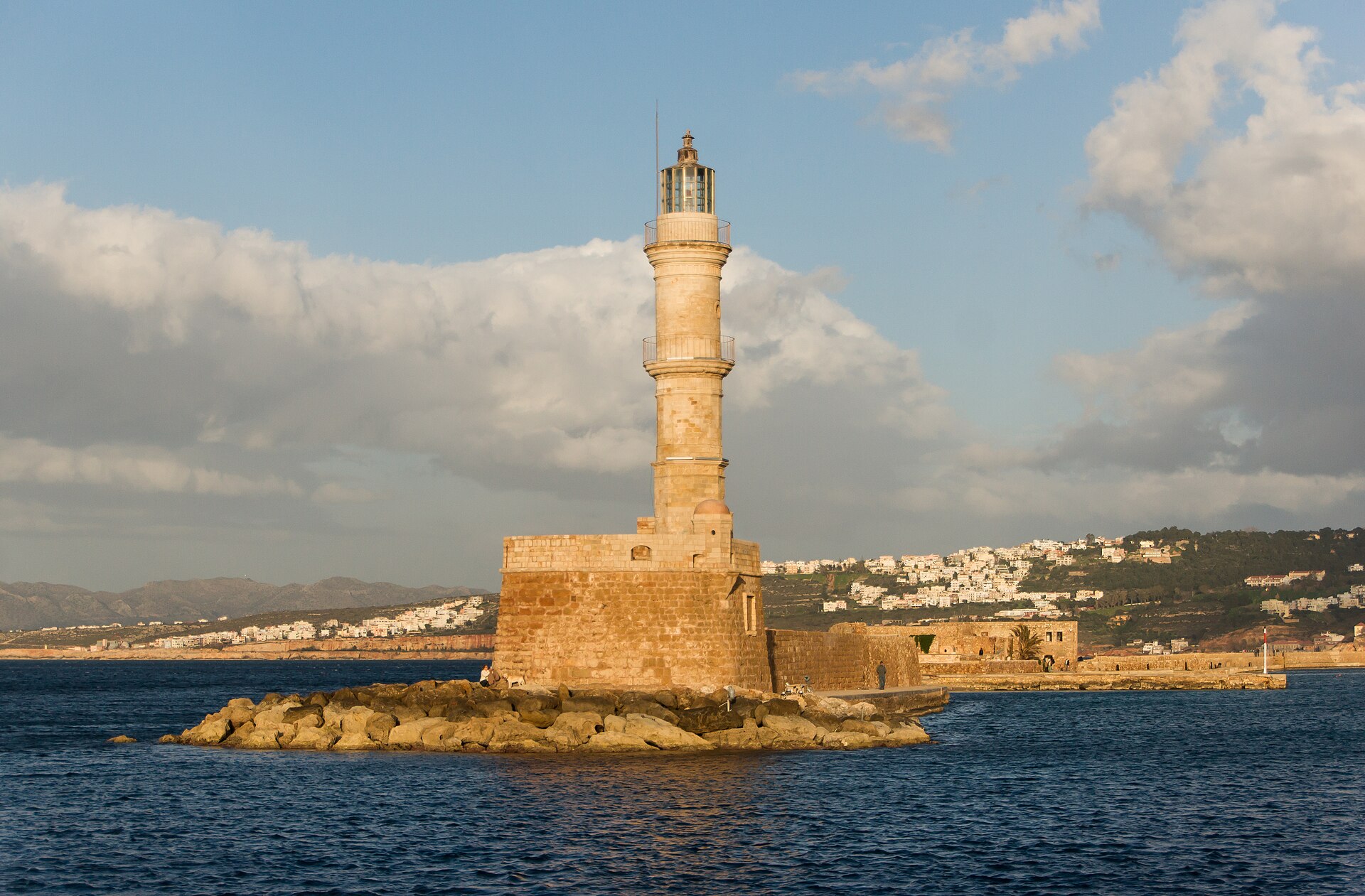
Knossos was the palace of the Minoans, an early people of Crete known for bright wall paintings. Chania’s old harbour has a stone lighthouse and colorful houses. The lagoons of Balos and Elafonisi glow with shallow water and pinkish sand.
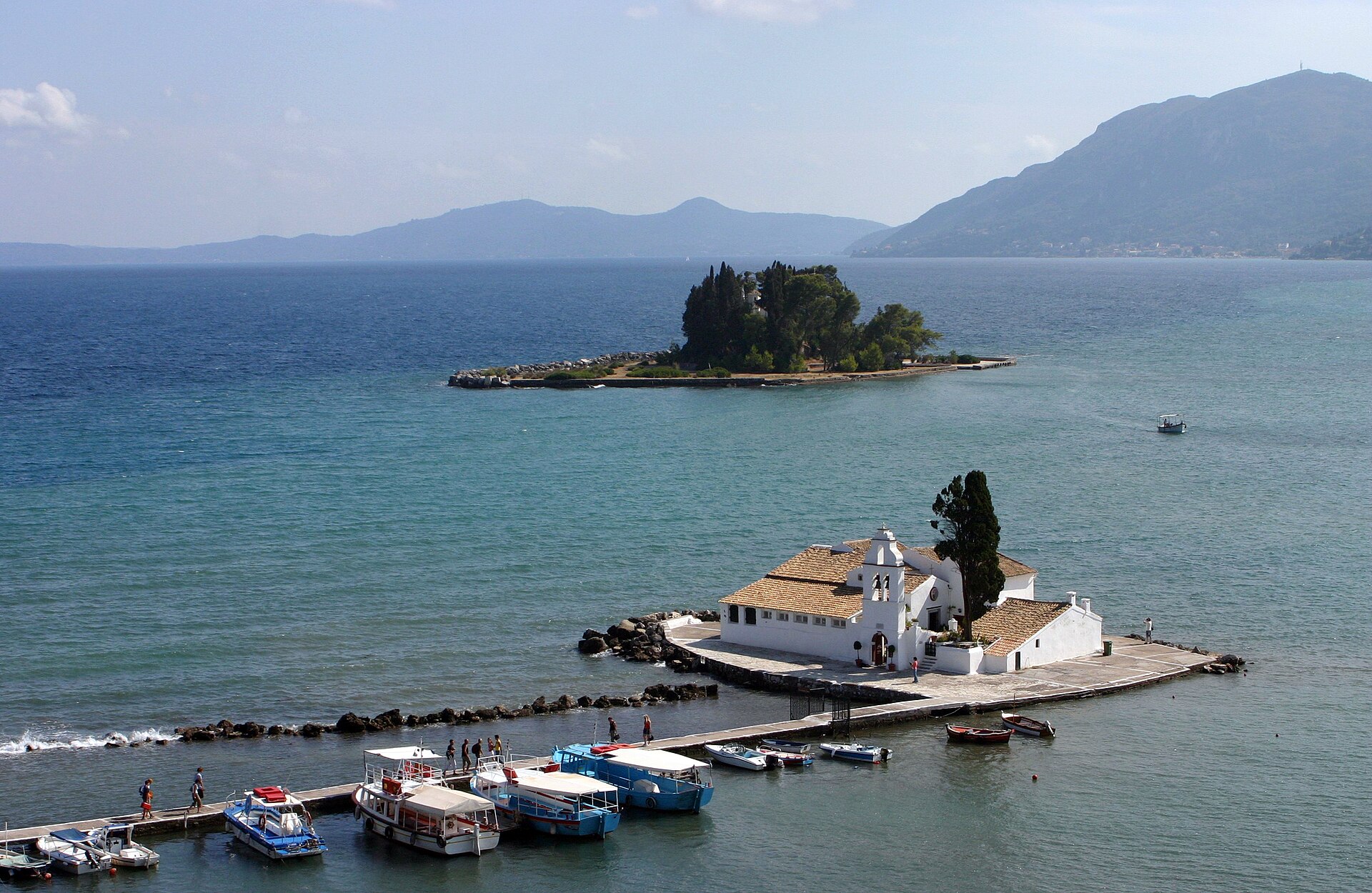
Rhodes has an Old Town inside thick walls that knights built long ago. Lindos has white houses below its acropolis, or high city. Corfu old town has Venetian forts and shady lanes, while Navagio on Zakynthos hides a rusty shipwreck.
Which Greece tours make Crete and beyond easy?
Families like private tours with a driver-guide or a skipper, since they can stop whenever children need a break. The cost is set for the whole booking. Boat cruises with swim stops thrill friends and beach lovers of all ages.
Full-day trips from Athens by coach suit travelers passing through the capital. Guided walking tours please history fans, while entry tickets serve those who explore at their own pace. Couples enjoy cooking classes and wine tastings in the villages.
What comes with Greece tours in Crete and beyond?
A BBQ meal or a sit-down lunch keeps energy up on long, sunny beach days. Drinks are included on most cruises, and some boats keep them coming without limit all day. That matters a lot in the strong summer heat.
A licensed or local guide makes the maze-like rooms of Knossos easy to follow. Entry tickets mean no time lost in queues. Wine tastings show off Cretan grapes, while swim stops let everyone cool off in clear water.
How do you avoid stress in Crete and beyond?
Visit Knossos at opening time, when the air is cool and the paths are quiet. Book Balos and Navagio boats ahead in summer, as seats sell out fast.
Pack water shoes for rocky beaches and a light jacket for windy boat decks. Ferries also link Crete with the Cyclades, so a stop on Paros fits in nicely.
Conclusion: Top Greece Tours, Planned Well
From the Acropolis to Knossos, Greece tours make it simple to visit famous places without stress. A guide explains the past, and meals, drinks and swim stops keep the day enjoyable. Every kind of traveler finds a suitable option.
Mix a city walk, an island cruise and a day among the ruins for a balanced trip. Travelers who want full control can read about Greece private tours and plan each day their own way. Book ahead in high summer.
Frequently Asked Questions About Top Greece Tours
Are Greece tours good for children?
Yes, children love boat cruises with swim stops and lively guided walks full of myths and heroes. Families should pack snacks, sun cream and hats, and choose trips with plenty of rest and play time built in.
How many Greece tours fit in one week?
Most travelers fit three or four tours into one week, with free days for rest and beaches in between. That easy pace still leaves time for long, slow meals, sunsets and wandering old streets without a plan.
Are Greece tours easy for older travellers?
Yes, many trips suit older visitors well, especially private tours with a driver-guide and calm, shaded boat cruises. Ask about steps, walking and seating before booking, since some ruins sit on steep and uneven ground with little shade.
Are Greece tours worth it for a short trip?
Yes, a tour saves time on short stays, because transport, tickets and a guide are already arranged for you. You see the main sights in a single day instead of losing precious hours on maps and planning.
Do Greece tours suit first-time visitors?
Yes, first-time visitors gain the most, since a friendly guide explains each place and handles tickets and timing. After a tour or two, newcomers feel confident and plan their later days on their own with ease.
Which Greece tours do visitors book most?
The most booked trips are Acropolis walks, Santorini and Mykonos boat cruises, and full-day trips to Delphi or Meteora. Boat trips to Balos, Navagio and Lindos also rank among the top summer favorites for every age.
How do you choose Greece tours?
The best Greece tours match the pace, interests and budget of the people going. Travelers should list their must-see places first, then compare the daily plans. A short list makes the final choice fast and easy.
Match the trip to the travelers
Couples often enjoy slow days with long lunches, quiet beaches and sunset views over the sea. Families need short drives, shady stops and regular breaks for snacks and play.
Friends who love the outdoors can pick hiking days or boat trips. Solo travelers often like tours that make it easy to meet new people.
First-time visitors usually start with the famous ruins of Athens. Return visitors can look for hidden gems beyond the crowds, such as mountain villages and quiet bays.
Check the pace and the guide
Read each day of the plan closely and look at the time spent on the road. A tour with too many stops leaves little time to enjoy any of them.
Active travelers can choose Greece walking tours that explore old towns and green hills on foot. Walking days on Greece tours feel slower, but travelers notice far more.
Only state-licensed guides may lead visitors inside Greek archaeological sites and museums. Good Greece tours confirm that a licensed guide runs these visits.
Some routes include a monastery, which is a home for monks or nuns. A simple guide to visiting Greek monasteries explains the dress code and the rules.
How do you keep costs down on Greece tours?
Travelers save the most on Greece tours by going in spring or autumn and booking key parts early. Shared transport and simple meals also cut daily spending. Small, smart choices add up to real savings across a whole trip.
Pick the right season and transport
Summer brings the highest demand, so hotels, ferries and tours all cost more. Spring and autumn offer warm days, thinner crowds and lower rates.
Ferries are often cheaper than flights when travelers move between islands. This guide to smart island-hopping routes helps travelers plan the order of their stops.
On the mainland, a hired car shared by friends or family can cost less than separate day trips. These scenic mainland drives turn the road itself into part of the fun.
Rail is another low-cost choice for longer trips across the mainland. The best scenic train rides pass through green valleys and mountain towns at a gentle pace.
Book smart and skip the extras
Some Greece tours include entry tickets, while others leave them out. Travelers should compare what each offer covers, not just the total cost.
Tickets for the busiest sites can sell out quickly in the high season. This article on buying Acropolis tickets early explains when advance booking pays off.
A few easy habits keep daily costs low on Greece tours:
- Carry a refillable water bottle.
- Eat lunch where local people eat.
- Use the metro and city buses in Athens.
- Join free walks through old towns.
- Buy breakfast at a nearby bakery.
How do you handle meals on Greece tours?
Many Greece tours include breakfast and a few planned meals, while travelers choose the rest themselves. Checking the plan first shows which meals need extra money. Greek food is fresh, simple and easy for every traveler to enjoy.
Know what the tour includes
The trip plan shows which lunches and dinners are covered. Free evenings give couples, families and friends time to pick their own place to eat.
A taverna is a simple, family-run Greek restaurant that serves grilled meat, fresh fish, salads and slow-cooked dishes from the local market.
Meze are small plates shared at the table, like dips, olives and fried cheese, so everyone tastes many dishes in one meal.
Some routes stay in places that cook with food from nearby farms. These eco-friendly places to stay often serve home-made breakfasts with local honey and yogurt.
Plan for diets and local habits
Travelers with allergies or special diets should tell the tour team when they book. Greek cooking offers plenty of vegetable, bean and fish dishes.
Greeks eat lunch late in the afternoon and dinner even later at night. Families with young children can pack snacks for the long gaps between meals on Greece tours.
Choosing local, seasonal food helps small farmers and cuts waste. A guide to sustainable travel in Greece shows how to eat and shop with care.
Tap water is safe to drink in many towns, but some small islands rely on bottled water. Guides on Greece tours tell travelers which one to choose.
How do you stay safe on Greece tours?
Greece tours are safe for most travelers, and the main risks are strong sun, heat and pickpockets in busy spots. Water, shade and simple care prevent most problems. Good planning keeps every day calm and stress-free.
Beat the heat and the crowds
The summer sun is strong, especially on open ruins with little shade. Travelers should wear a hat, use sunscreen and drink water often.
Early starts help a great deal on hot summer days. This guide to avoiding crowds at the Acropolis explains how to visit when the hill is cooler and calmer.
Hikers should carry extra water and tell someone their route before setting out. The best nature reserves in Greece reward careful walkers with gorges, wetlands and rare birds.
Protect bags, papers and health
Pickpockets work in busy metro cars, street markets and ferry ports, so wallets belong in front pockets and bags stay zipped.
A photo of each passport and the travel insurance papers on a phone saves time if something goes missing. The European emergency number works across Greece.
Pharmacies, marked with a green cross, give advice on minor health issues. Well-run Greece tours also carry a first-aid kit on coaches and boats.
Sea swimmers should watch for wind, waves and strong currents, even on calm-looking beaches. On boat days, Greece tours hand out life jackets and give a safety talk before leaving port.
Which Greece tours start in central Athens?
Many Greece tours begin in central Athens, near Syntagma Square, Plaka or the Acropolis. City walks, day trips and longer routes all leave from these handy spots. Most central hotels sit within walking distance.
City walks and day trips from the center
City walks often meet in Syntagma Square, the main square in front of the Greek Parliament. From there, guides lead visitors through Plaka, the old quarter below the Acropolis.
Day trips from the center reach Delphi, Cape Sounion and the Peloponnese by comfortable coach or minivan. Pickups start early to beat the traffic and the midday heat.
Evening food walks also start in the center and wind through Psyrri and Monastiraki, two lively old districts. These Greece tours suit couples and friends who want dinner with a story.
Before booking, it pays to read about choosing the right Greek tour. Length, pace and the daily plan matter as much as the sights.
What to know before a city start
Meeting points in Athens are busy, so travelers should arrive early and save the guide’s phone number. A pinned map on the phone helps travelers find the spot quickly.
Churches and monasteries ask visitors to cover their shoulders and knees. These polite travel tips for Greece explain other local customs worth knowing.
Public holidays change traffic, crowds and opening days. Easter is the biggest holiday of the Greek year, and this guide to Greek holiday customs explains each season.
Greece tours from Athens also suit travelers without a car. The metro and trams link most hotels to the main meeting points in the center.
Which Greece tours start on the islands?
Island Greece tours start from the main port, the main town or a hotel pickup. Boat trips, wine tastings, hikes and village drives fill the days on each island. Every island has its own pace and style.
Port and town starts
On Santorini, many sunset boat trips leave from small harbors along the coast. On Crete, Greece tours often start in Chania, Heraklion or Rethymno.
On Naxos and Paros, Greece tours usually begin at the harbor beside the main town. Village drives, cheese tastings and beach days all leave from there.
Island hopping means moving by ferry from one island to the next. These ferry travel tips cover tickets, seats and what to do when the sea gets rough.
Small bags make island hopping much easier on steep streets and busy docks. This guide to packing light for island trips shows what to bring.
Hotel pickups and local life
Many island Greece tours collect travelers from their hotel by minibus, and hotel staff can confirm the pickup spot the evening before.
Village tavernas, bakeries and small shops add charm to every island day. A few simple Greek phrases, like kalimera for good morning, earn warm smiles from locals.
Islands are much quieter outside summer, and some boat trips run less often then. Travelers visiting in spring or autumn should check schedules early.
Which Greece tours start at a cruise port?
Shore tours start at the cruise port and return well before the ship leaves. Greece tours from Piraeus, Katakolo, Heraklion and Corfu reach famous sites in a single day. On a port day, timing matters more than anything else.
Main cruise ports and their sites
Each main cruise port links to a famous place within easy reach:
- Piraeus: the Acropolis and central Athens.
- Katakolo: Olympia, birthplace of the ancient Olympic Games.
- Heraklion: Knossos, the ruined palace of Crete’s earliest kings.
- Corfu: the Old Town and forts built by rulers from Venice.
- Santorini: cliff-top Fira and the white village of Oia.
At Santorini, ships anchor offshore and small boats carry passengers to land. Lines for the cable car up the cliff grow long, so early starts help.
How to plan a shore day
Ship time and local time can differ, so travelers should always follow the ship’s clock. Good shore Greece tours build in a safe gap before boarding closes.
Escorted trips with a guide keep the whole day on track. This guide to choosing an escorted itinerary explains how to weigh pace, stops and free time.
Travelers who want more depth can book authentic tours in Greece with a private guide. Private trips let couples and families set their own pace.
Ports are crowded, so bags should stay zipped and close to the body. These safety tips for Greece also cover taxis and summer heat.
Which Greece tours start near the airport?
Some Greece tours pick up travelers at Athens airport or at hotels close by. These suit short stays, early flights and long layovers between planes. They also save a slow trip into the city center.
Day trips from Athens airport
Athens airport sits east of the city, in a farming area known for vineyards and olive groves. Tastings at local wineries make an easy and relaxed half-day trip.
The Temple of Poseidon at Cape Sounion is a pretty coastal drive away. Poseidon was the Greek god of the sea, and sunset at his temple is famous.
Rafina and Lavrio are small, easy ports close to the airport on the east coast. Ferries from both reach several Cyclades islands and save the trip across Athens to Piraeus.
Layovers, families and budgets
Long layovers leave time for a short private tour or a swim on the coast. Travelers should leave a safe margin for security checks on the way back.
Airport pickups help parents with tired children, car seats and heavy bags. These family-friendly Greece travel tips explain how to plan calm travel days.
Airport Greece tours save taxi fares and time on the first or last day. Simple budget tips for Greece help travelers spend less on the rest of the trip.
Greece tours that start at an airport also work on island arrival days. Heraklion, Chania, Rhodes and Corfu airports all sit close to good sights.
Which places do Greece tours visit?
Greece tours visit sunny Cyclades islands, famous ancient sites on the mainland and the large islands of Crete, Rhodes, Corfu and Kefalonia. Each area suits a different kind of trip. The lists below show the top stops.
Islands
The Cyclades are a ring of small islands in the Aegean Sea, known for white houses and blue water. Many Greece tours link them by ferry.
- Santorini: white cliff villages, blue domes and sunsets over a flooded volcano.
- Naxos: long sandy beaches, mountain villages and a giant marble temple gate.
- Milos: colorful fishing huts, white rock bays and beaches reached by boat.
- Ios: lively nightlife, golden beaches and a hilltop white village.
- Sifnos: handmade pottery, fine local cooking and quiet paths between villages.
Mainland
The mainland holds the great sites of ancient Greece, linked by mountain roads and olive groves. Many trips join several of them in one easy loop.
- Athens: the Acropolis, ancient ruins and lively streets full of cafes.
- Delphi: a mountain temple where people once asked the gods for advice.
- Meteora: old monasteries perched on top of giant rock towers.
- Olympia: the birthplace of the ancient Olympic Games and its stadium.
- Mycenae: the hilltop fortress of ancient kings and the famous Lion Gate.
Large islands
The large islands feel like small countries, with high mountains, busy towns and long coastlines. Travelers often give each one several days of their trip.
- Crete: the Knossos palace, deep gorges, wide beaches and village food.
- Rhodes: a walled old town from the age of knights and sunny beaches.
- Corfu: an elegant old town, green hills and clear blue bays.
- Kefalonia: Myrtos Beach, sea caves and quiet harbor villages.
How do you plan Greece tours over seven days?
Seven-day Greece tours work best with a few days in Athens, one mainland trip and the rest on one or two islands. This mix balances history, scenery and beach time. Fewer bases mean less packing and more fun.
Begin in Athens
Athens makes the natural first stop, since most flights into Greece land there. The first full day suits the Acropolis and its museum, starting early before the heat.
The next day can cover Plaka, the Ancient Agora and a sunset walk up Lycabettus Hill. The Ancient Agora was the old market and meeting place of the city.
Evenings in Athens suit a rooftop dinner with a view of the lit-up Acropolis. Couples, families and friends all enjoy this simple first-night treat.
A ready-made seven-day plan with Santorini and Mykonos shows one popular way to shape the week.
Add a mainland site
Delphi makes a strong day trip from Athens, with mountain views and a famous temple site. Greece tours to Delphi often stop in the village of Arachova too.
Travelers with more time can head north to Meteora for a night. The monasteries on the rocks look magical in the early morning light.
Olympia and Mycenae fit a longer loop through the Peloponnese, the large peninsula south of Athens. A peninsula is land with water on three sides.
Travelers who like their own pace can try self-guided itinerary planning with short guided visits at key sites. This keeps the week flexible and calm.
Finish on the islands
The last part of the week belongs to the sea. A fast ferry or a short flight links Athens with Santorini, Naxos or Mykonos.
A pair of islands fits a week if they sit close together, like Naxos and Paros. This guide to Greek island hopping helps travelers match islands with easy ferry links.
One island is enough for families or anyone who wants slow beach days. Greece tours that stay put leave more time for swimming and long dinners.
Families with young children can choose islands with calm, shallow beaches, such as Naxos. Ferry days need spare time, since strong summer winds can delay boats.
Travelers should spend the final night near Athens before a flight home. This simple step removes stress from the last morning of the trip.
More questions about Greece tours
Travelers often ask about free time, comfortable shoes, hotel pickups, tipping, photo stops and language before they book Greece tours. The short answers below cover each one.
Can you add free time to Greece tours?
Yes, most tours leave free afternoons or evenings, and private tours let travelers add as much free time as they want. Asking before booking makes it easy to plan a beach day or a long lunch.
Which shoes suit Greece tours?
Comfortable walking shoes with a good grip suit most days, because ancient sites have uneven stones and polished marble paths. Sandals work for beach days, but not for ruins or hiking trails.
Can friends join Greece tours from different hotels?
Yes, friends at different hotels can join the same tour by meeting at one central point or asking for separate pickups. The booking note should list every hotel, and pickups run smoothest when the hotels sit close together.
Is tipping expected on Greece tours?
Tipping is not required, but travelers often leave a small tip for a guide or driver who did a great job. A little cash handed over at the end of the day is the usual way.
Do Greece tours stop for photos?
Yes, guides plan photo stops at the best viewpoints, like the Acropolis, the Santorini cliffs and the Meteora rocks. Early morning and late afternoon light give the softest colors. Guides also point out quiet spots away from the busiest crowds.
Do Greece tours run in English?
Yes, English is the most common language on Greece tours, and many guides also speak French, German, Spanish or Italian. Travelers who need another language should ask when they book. Audio guides at many museums also offer English.
See more in Ydravlikosvouliagmeni: